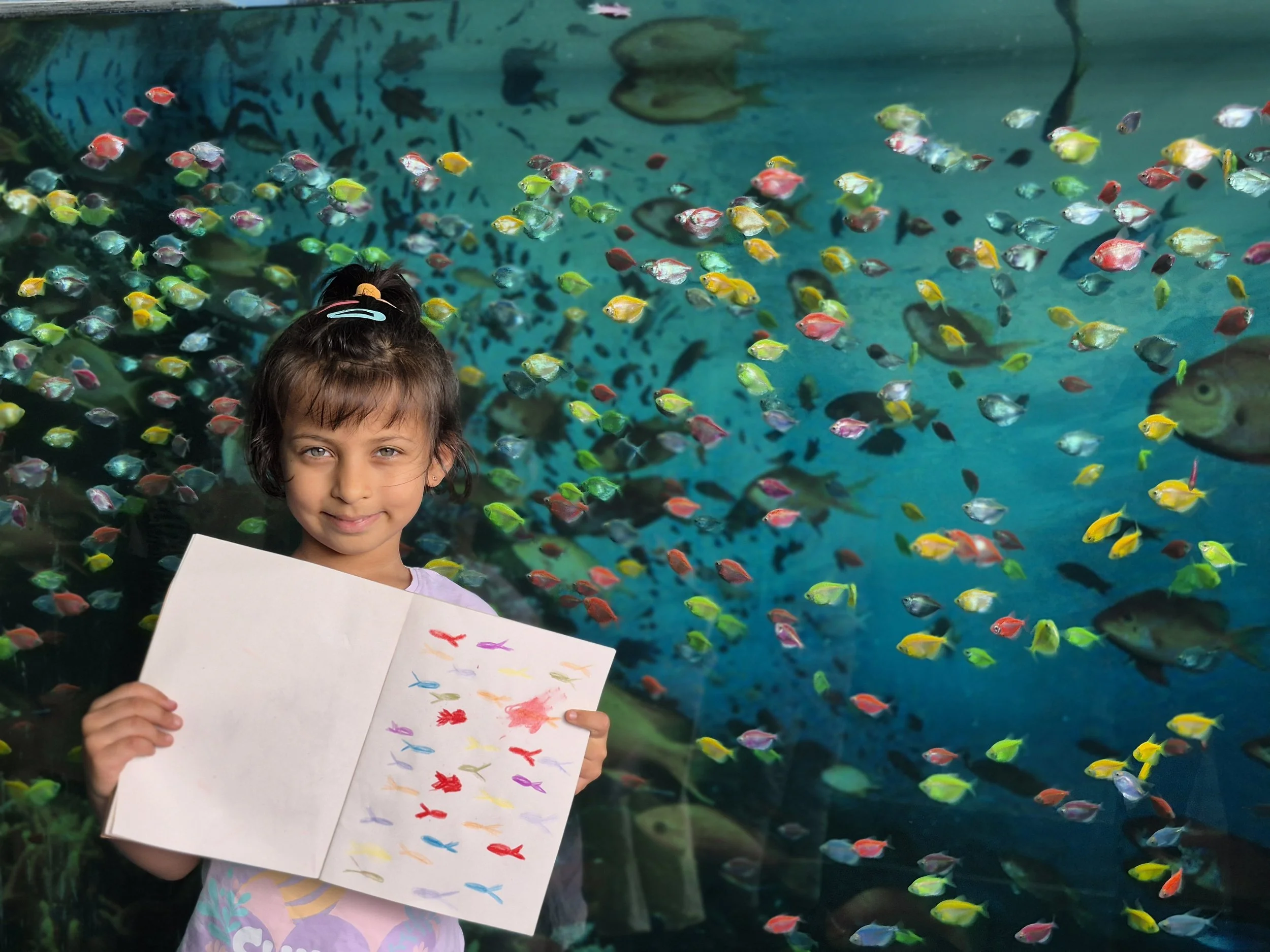
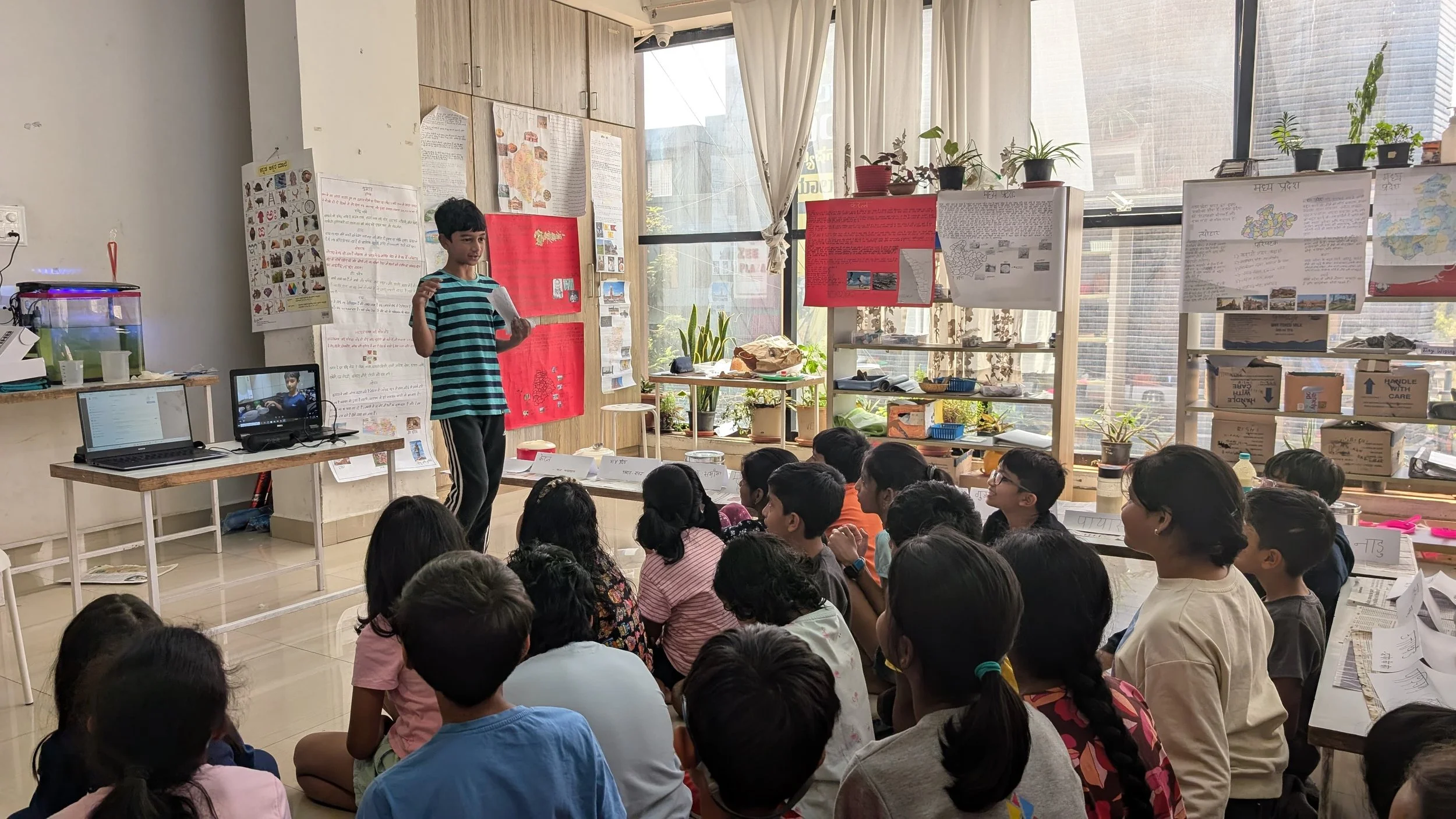
At PEP, assessment is not about marks or rankings, it is about paying close attention to how a child learns. From the early years onward, teachers observe patterns in a child’s work, noticing where understanding is strong and where support or challenge is needed. Formal assessments are used thoughtfully and quietly, as tools for teachers rather than labels for children. By separating deep learning from exam-taking skills, and by focusing on progress rather than comparison, assessment at PEP is designed to serve one purpose above all else: supporting each child’s growth with care, clarity, and intention.
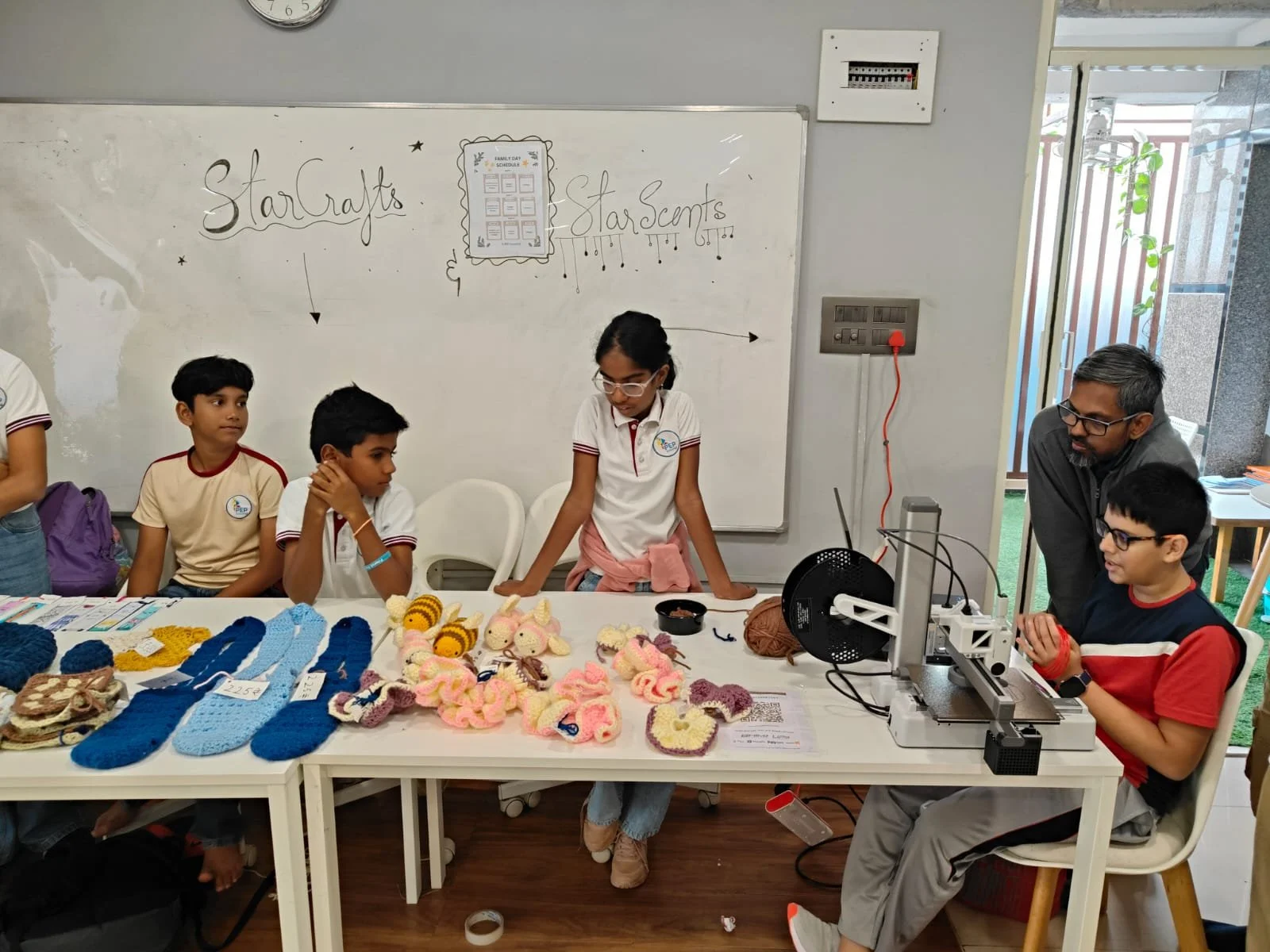
Enterprise in the Montessori Middle School
In the Montessori Middle School, enterprise is not a simulation, it is real work with real stakes. Through student-run businesses like StarCrafts and StarScents, our adolescents step into the rhythms of adult work: planning, producing, collaborating, making mistakes, and learning from them. Guided by Maria Montessori’s vision, these enterprises invite students to discover their strengths, practise craftsmanship, and experience the meaning of contribution by creating something tangible, offering it to the world, and reflecting on how to do better next time.
The Montessori Way of Learning Math and Geometry
In conventional school, the study of geometry is taught only with pencil and paper. It thus becomes sadly disconnected from real objects. What a shame when circles, triangles and all manners of quadrilaterals surround us everywhere as we go about our lives.
A key Montessori insight is that we can serve the development of the mathematical mind by giving sensorial experiences first, and only later moving to abstract symbols on paper. A child who is allowed to explore with real mathematical objects at an early age stands a good chance of becoming a real math lover later in life.
Math and geometry are presented and treated in the same way as art, building with blocks, music, gardening, and all other subjects. Thus, in this spirit of joyful exploration, we marvel at the wonder of the 5 year old child who observes a rectangle in his classroom and then notices that its shadow becomes a parallelogram. Or the 3 year old who realises he can make triangles with his roti dough or scissors. Or indeed the 7 year old who tries his hardest to construct a circle using a combination of small sticks (straight lines), not yet understanding that it will take an infinite number of them!


