
Key-facts table
| Grades | 6 to 10 |
|---|---|
| Campuses | PEP HSR, ACCEL PEP Whitefield (being set up at Ribbons PEP Varthur and PEP Kokapet) |
| Pathway | IGCSE. PEP Schoolv2 is an officially registered IGCSE centre |
| Structure | Half academics in classes of six, half real work, self-expression, and life skills |
| Homework | Roughly an hour most days |
| Admissions | Open · Enquire about High School |
We offer a purposeful, supportive, yet challenging environment that nurtures independence, real-world responsibility, academic rigour, and identity formation.

We align school with adolescent development.
THE DEFINING YEARS
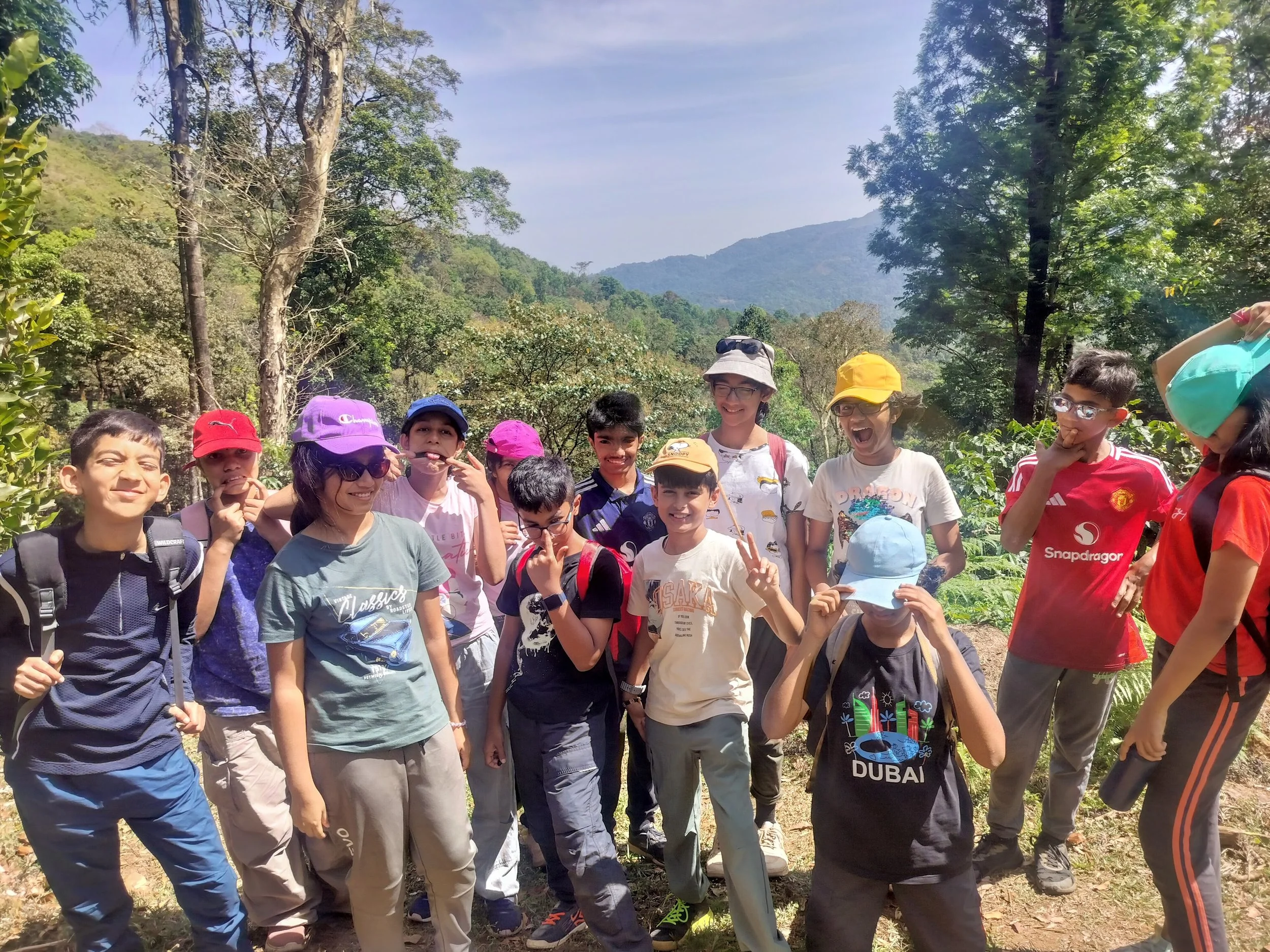
Adolescence is a developmental shift, not just a continuation of childhood. These are the years when identity begins to form, values begin to solidify, and young people start to develop a sense of life purpose. At this stage, adolescents are not only learning academic content; they are learning how to exist in the world as emerging adults.
THE URGENT QUESTIONS
Adolescents carry urgent questions that shape their inner world: Do I belong? Is this fair? Why are things like this? What do my people think? Can I do this with others?
These questions often show up as curiosity, intensity, rebellion, sensitivity, or a strong need for independence. Our program is designed to honour these questions by giving students meaningful work, real community, and learning that feels connected to the world they are inheriting.
A living society
Montessori believed adolescents need to step away from the family in order to construct their own identity.
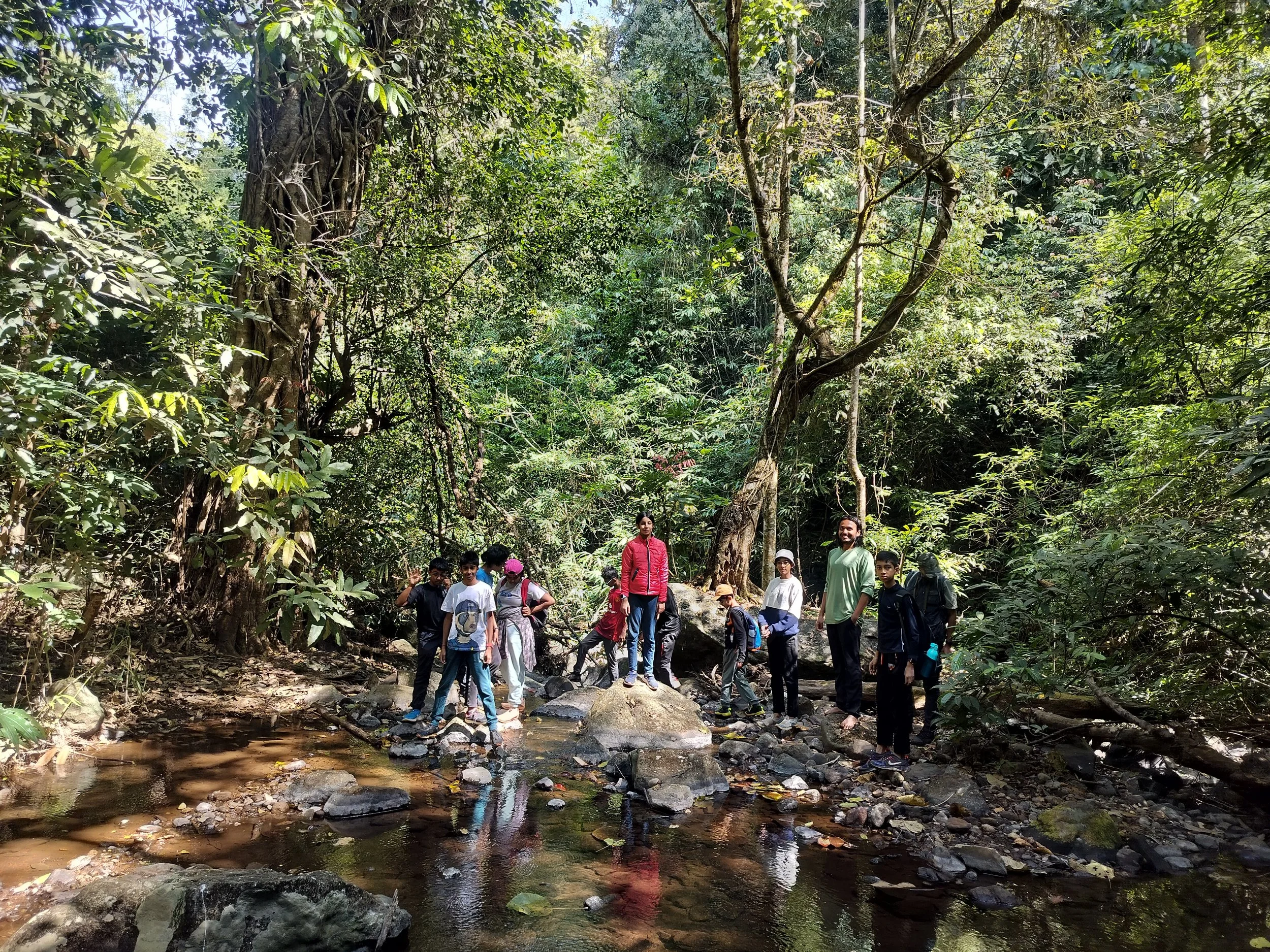
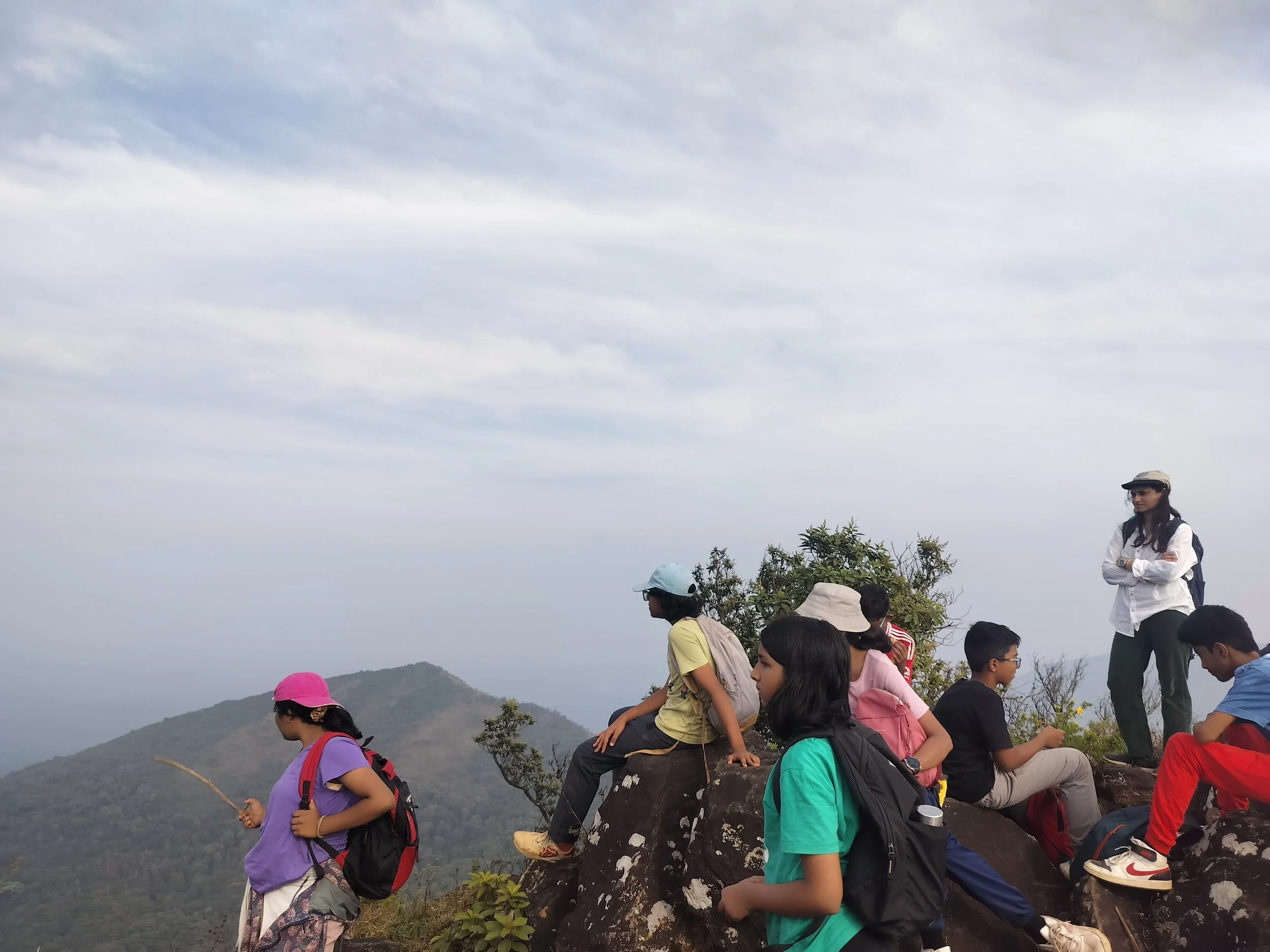
At PEP, the adolescent environment is designed as a living society, i.e. a community where students learn not only through instruction, but through responsibility, collaboration, and shared systems. Learning and economic production happen alongside one another, helping adolescents experience what it means to be part of a functioning world.

We build strong core academics.
Concept-based academic rigour
PEP Schoolv2 is an officially registered IGCSE centre, and our academic structure is aligned to the IGCSE curriculum. IGCSE is widely recognised in India and internationally and offers flexibility in academic choices beyond Grade 10. Students engage deeply with a core of English, Mathematics, the sciences, Business, and Economics, with Business and Economics tying directly into the enterprise work, through learning that prioritises understanding over memorisation. Hindi and Kannada continue as taught subjects, and students especially motivated to take a subject beyond this core are free to do so.
Students build subject depth, academic stamina, and strong study habits while still retaining the Montessori spirit of choice and inquiry. We maintain high expectations for academic growth, while ensuring learning remains purposeful, meaningful, and not driven by pressure alone.
PERSONALISED LEARNING PATHS
Learning continues to be personalised based on ability and need, not age. Students receive targeted support where required, including small group instruction in areas like English and Mathematics. Students are also supported by subject-specialist teachers who bring depth and structure to each discipline. This ensures students strengthen foundational skills while still being challenged appropriately, without comparison-driven classroom culture.
Assessment as Skill
As students move towards Grade 9 and 10, they are gradually introduced to regular quizzes and assessments. These are designed to build the deeper skill of exam-taking itself. Students practise time management, accuracy, and tactical decision-making through learning how to approach questions, pace themselves, and improve through repetition.
Many of these quizzes are self-administered, i.e. students correct and score their own work afterwards, building reflection, honesty, and accountability. Over time, this develops exam readiness in a way that feels calm, consistent, and integrated into learning, rather than sudden or stressful.

We prepare students for real work that matters.
Enterprise and Economic Independence
At PEP, “Enterprise” is real work with real responsibility. Students design and run functioning ventures where they produce something valuable and offer it to real customers. Enterprise teaches adolescents how economic systems work and gives them the experience of contributing to a shared society.
Students experience the full cycle of real work: learning a skill, practising until it becomes craftsmanship, offering it to customers, and reflecting on what to do differently next time. Students interact directly with customers, explain their products, handle questions, and speak confidently about their work.
Students also manage a digital presence for their enterprises through their own website and Substack, where they share updates, catalogues, and behind-the-scenes reflections.
When students see that their effort creates something others genuinely use or benefit from, it builds confidence and self-worth in a way academic success alone cannot. Through Enterprise, they begin to understand the dignity of all work, the interconnectedness of society, and their own ability to contribute meaningfully. These experiences lay the foundation for economic independence and help students see adulthood not as something distant, but as something they are actively growing into.
Internships, community service, and professional exposure
Adolescents need the world, not just the classroom. Alongside enterprise, students engage in real-world learning through internships, professional visits, community service, and meaningful exposure to working environments.
Students also take up internships within the school itself, like working as teaching assistants and marketing agents.
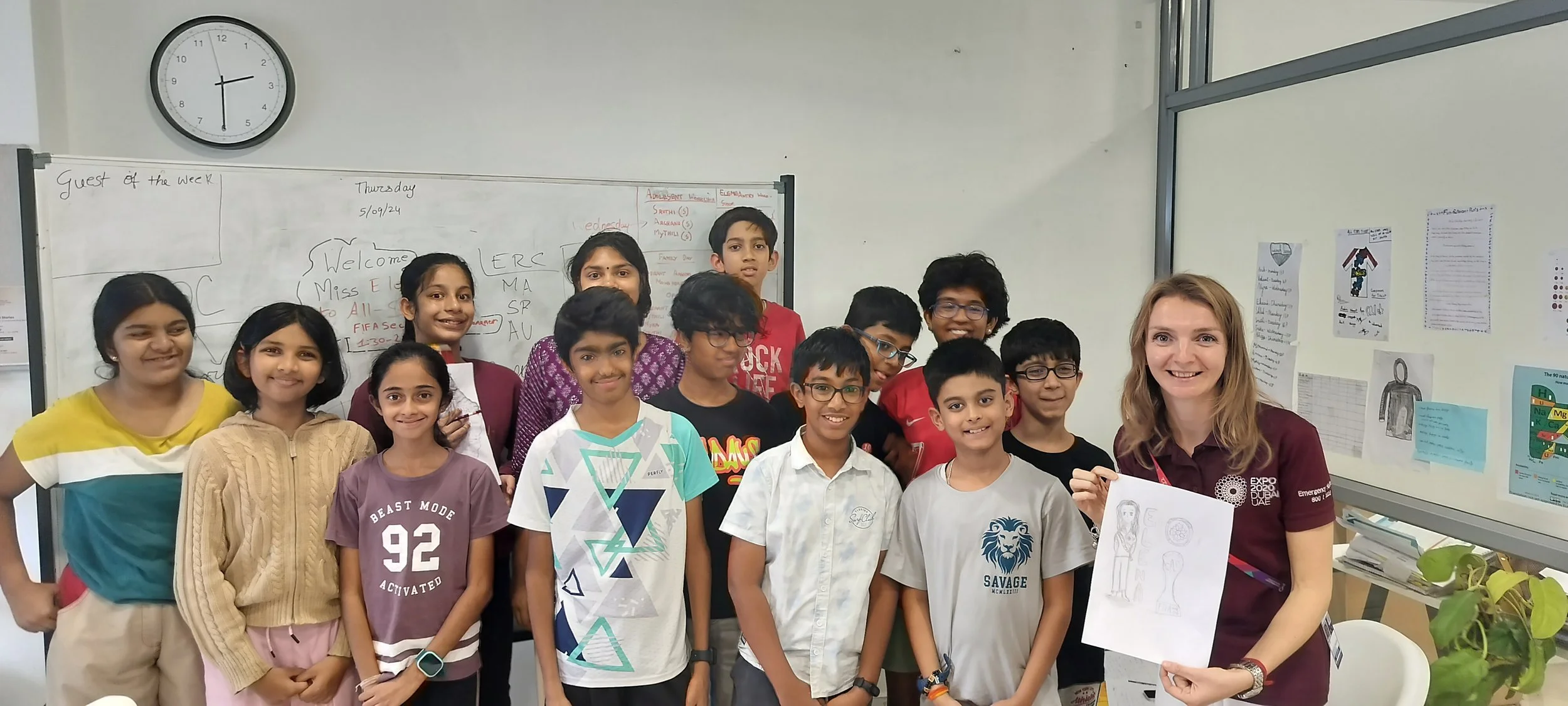
We also regularly invite professionals from diverse fields to interact with students. Students ask questions, explore career realities, and learn what work actually looks like in the adult world.
We support self-expression and identity formation.
Finding their voice
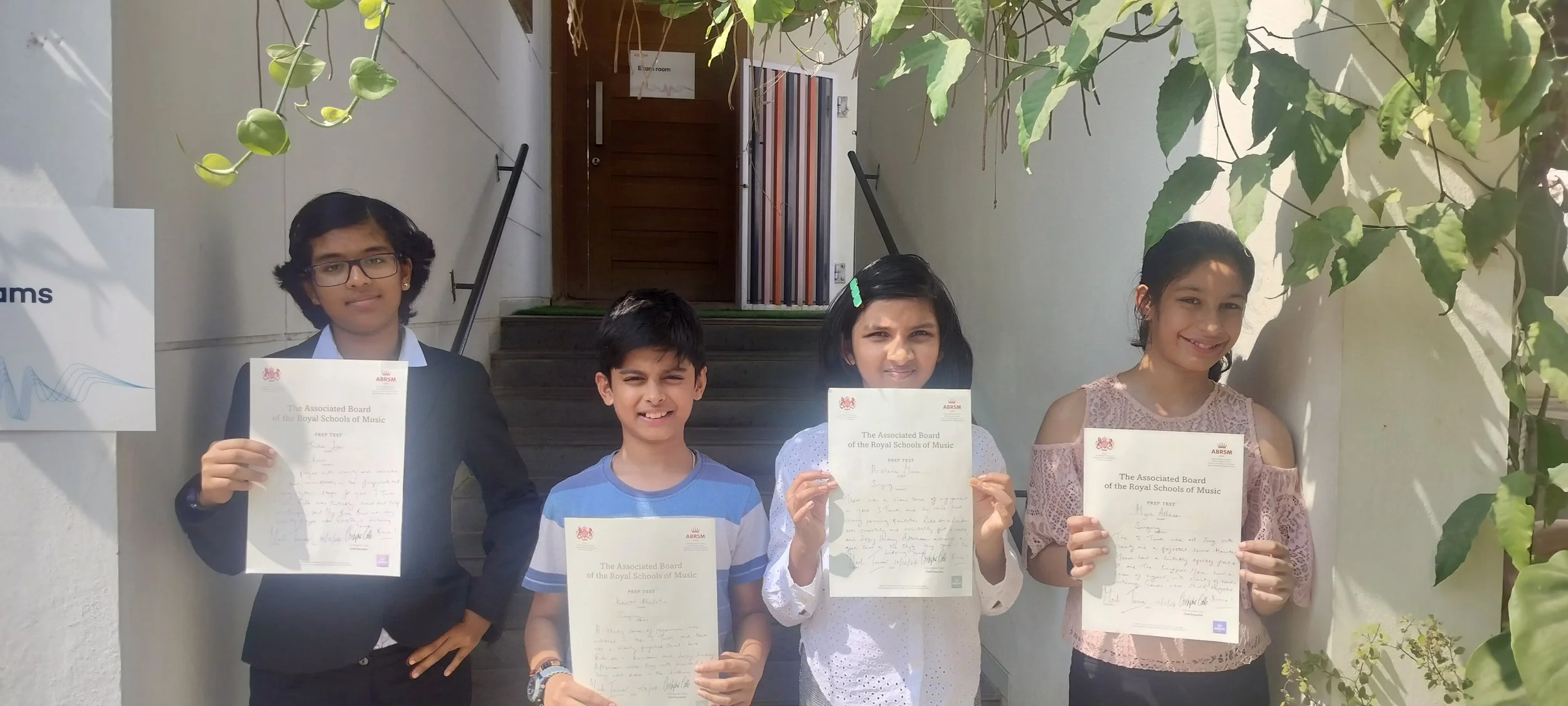
Adolescence is the stage where students begin to ask: Who am I? Self-expression is therefore central to development. At PEP, creative writing, music, arts, and personal projects are built into the programme to help students develop individuality, voice, and confidence in expressing what they think and feel.
Electives and personal projects
Students explore electives that allow them to follow curiosity, build skills, and discover new interests. We have offered electives such as graphic design, photography, filmmaking, book club, and more, where students make a final project and present it during Family Day.
Alongside electives, students also work on long-term personal projects. Each student is required to choose a project based on their interests and work on it throughout the year.
We teach life skills for adulthood.
Reflection and self-appraisal
Adolescence is a time of emotional intensity and rapid growth. Students learn to observe themselves, name challenges, recognise patterns, and develop a clearer sense of who they are becoming.
A key part of this is the PTAM (Parent Teacher Adolescent Meeting), where adolescents themselves lead their own parent-teacher meeting. Before the PTAM, students are required to complete a self-appraisal form, reflect on their learning, and participate actively in the discussion. This builds a powerful sense of ownership and accountability, while also helping students learn how to speak about their strengths, struggles, and growth with maturity.
Dialogue and moral reasoning
Dialogue is a weekly space for students to practise moral reasoning, perspective-taking, and respectful disagreement. The idea is simple but profound: people hold different opinions, and most of life exists in grey areas, not in neat right or wrong answers.
Students choose a topic for Dialogue, and discussions are facilitated by an adult. Together, students learn how to listen deeply, express their views clearly, disagree respectfully, challenge ideas without attacking people, and arrive at a shared conclusion or learning.
Topics range widely, from abstract and philosophical (What’s the point of life? Is murder ever okay?) to highly practical (Why can’t we keep our classrooms clean? Why do we procrastinate?). Over time, Dialogue has become a powerful space for emotional intelligence, maturity, and real-world social navigation to emerge.
"Parents usually ask" section
How is it different from a conventional high school?
Structurally. Roughly half of a student's time goes to academics, taught in classes of six grouped by readiness. The other half goes to real work, self-expression, and life skills. That split is deliberate: adolescents who feel useful for genuine contribution, not just marks, engage more deeply with academics, not less. We are preparing young people for life, and the exams are one part of that.
Is this a standard Montessori program?
It's a modern reinterpretation of one. Montessori designed her adolescent program to be residential and farm-based: teenagers living together, running a real working community. We keep the essentials she identified (real work with real stakes, genuine responsibility for community life, and academic seriousness) and run them as an urban day school, adapted for city families.
What is "real work"? Why do teenagers run enterprises?
Our students run real enterprises: actual products, actual customers, actual money, actual consequences. Roles rotate through production, sourcing, sales, customer service, and accounting, so every student answers, at some point, for outcomes someone else depends on. This is where responsibility, recovery from mistakes, and the felt sense of being useful actually get built, and it is where Business as an academic subject finds its application.
Do students really sit board exams? How does a Montessori school prepare them?
Yes, and we take them seriously. Exam skills are taught explicitly as skills: revision planning, time management, understanding mark schemes, past-paper practice, timed writing, and full mock examinations. Wherever possible we spread the examination load rather than concentrating everything into one final season. What we refuse to do is let anxiety, comparison, or panic become the dominant note of the exam years.
What subjects do students take?
A core of English, Mathematics, the sciences (taught individually or as an integrated award, depending on the student), Business, and Economics, with Business and Economics tying directly into the enterprise work. Subject profiles are finalised individually with each family. Languages continue as taught subjects in school, though not as board-exam subjects. And students who are especially motivated to take a subject beyond this core are free to do so: as a school, we do not restrict subject choices, and we support the preparation.
What happens after Grade 10?
Our program ends at Grade 10, and the IGCSE qualification opens every standard route: CBSE or ISC for Grades 11-12, the IB Diploma, or A-Levels. We help families think through the transition, share what we know about receiving schools, and support the documentation the next step requires. That conversation starts formally at the beginning of Grade 10.
Can my child join High School directly from a conventional school?
Yes, case by case. The admissions process is the same consultative one, with one addition: parents of High School applicants spend time observing a working classroom themselves, because seeing adolescents plan and manage real work answers questions no brochure can.
More questions? See the full High School FAQs, or book a visit and ask us in person.

Enquire about the High School Program
Locations
High School is also being set up at Ribbons PEP Varthur and PEP Kokapet, so students there will get the full IGCSE pathway through Grade 10.
Timings
Timings vary by campus and are shared during the admissions conversation.
Transport
Select routes via school-operated buses. Our own buses and staff, not outsourced.
Last updated: August 2026.