
Key-facts table
| Ages / Grades | Ages 6 to 12 (Grades 1-5) · entry from 6 years onwards |
|---|---|
| Campuses | PEP HSR, ACCEL PEP Whitefield, Ribbons PEP Varthur, PEP Kokapet |
| Lessons | Classes of six, grouped by readiness per subject |
| Assessment | Continuous, benchmark-tracked, reported qualitatively; no marks or rankings |
| After Elementary | High School (Grades 6-10, IGCSE pathway) at PEP HSR and ACCEL PEP Whitefield |
| Daycare | Available for enrolled students |
| Admissions | Open · Enquire about Elementary |
A day inside PEP Elementary: where academic rigour comes from when children have choice, how children learn to manage their own time, how assessment works without formal exams, what a progress report tells parents, how children who are ahead or need help are supported, and children explaining in their own words why they like school.

All Learning is Integrated
A Broad, Challenging Curriculum
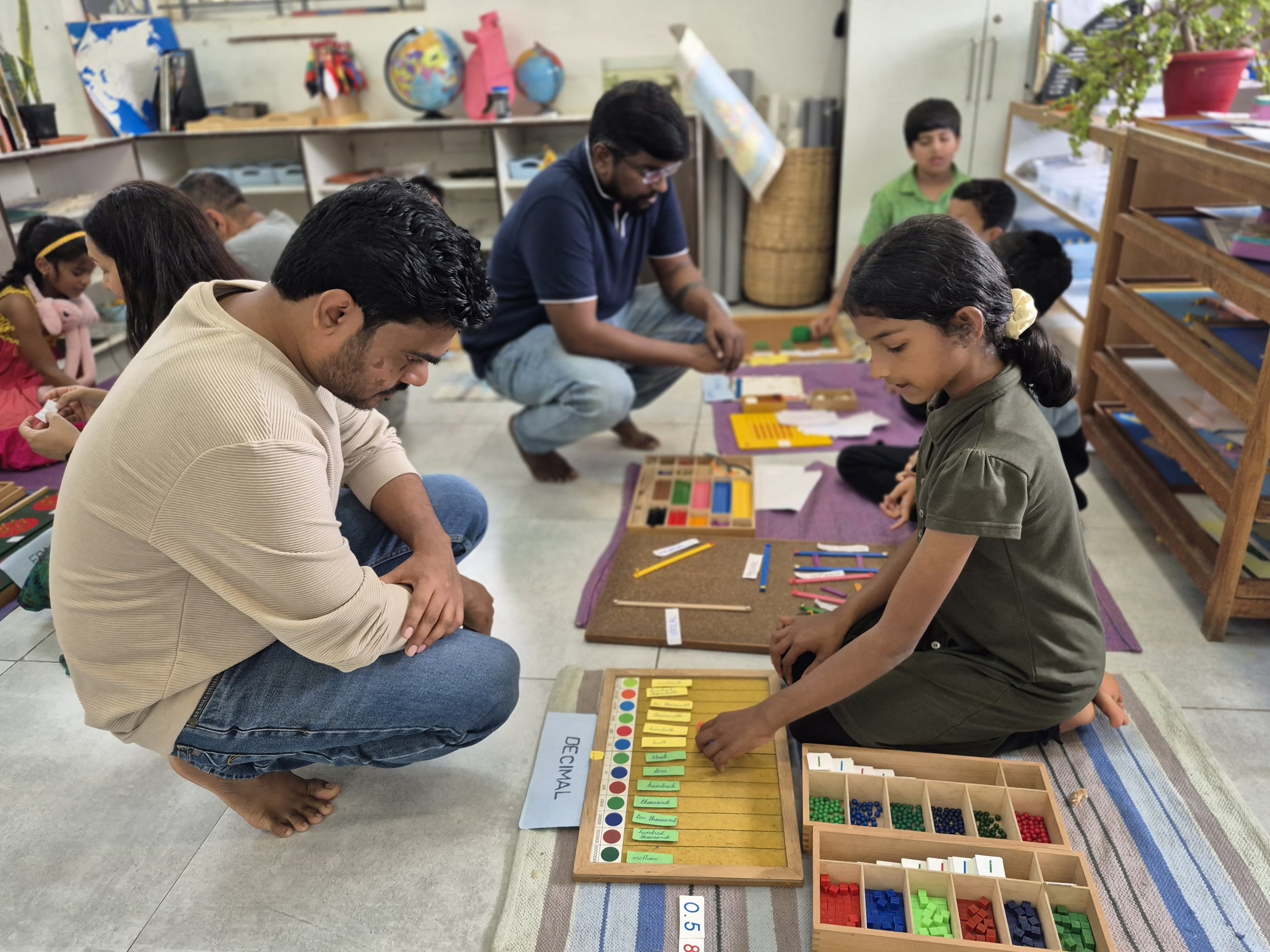
Facilitated by trained educators and a rich assortment of hands-on Montessori learning materials, the elementary program emphasises mastery of mathematical foundations, writing and communication skills, and reading comprehension at advanced levels.
Montessori recognised the fundamental interconnectedness of all disciplines. Thus, integrated “cosmic education” is the focus of the curriculum, bringing together mathematics, botany, zoology, language and literature, history, geography, art, music, and physical education. The elementary program helps develop young, self-directed people who are naturally fascinated by the universe.
Personal Development
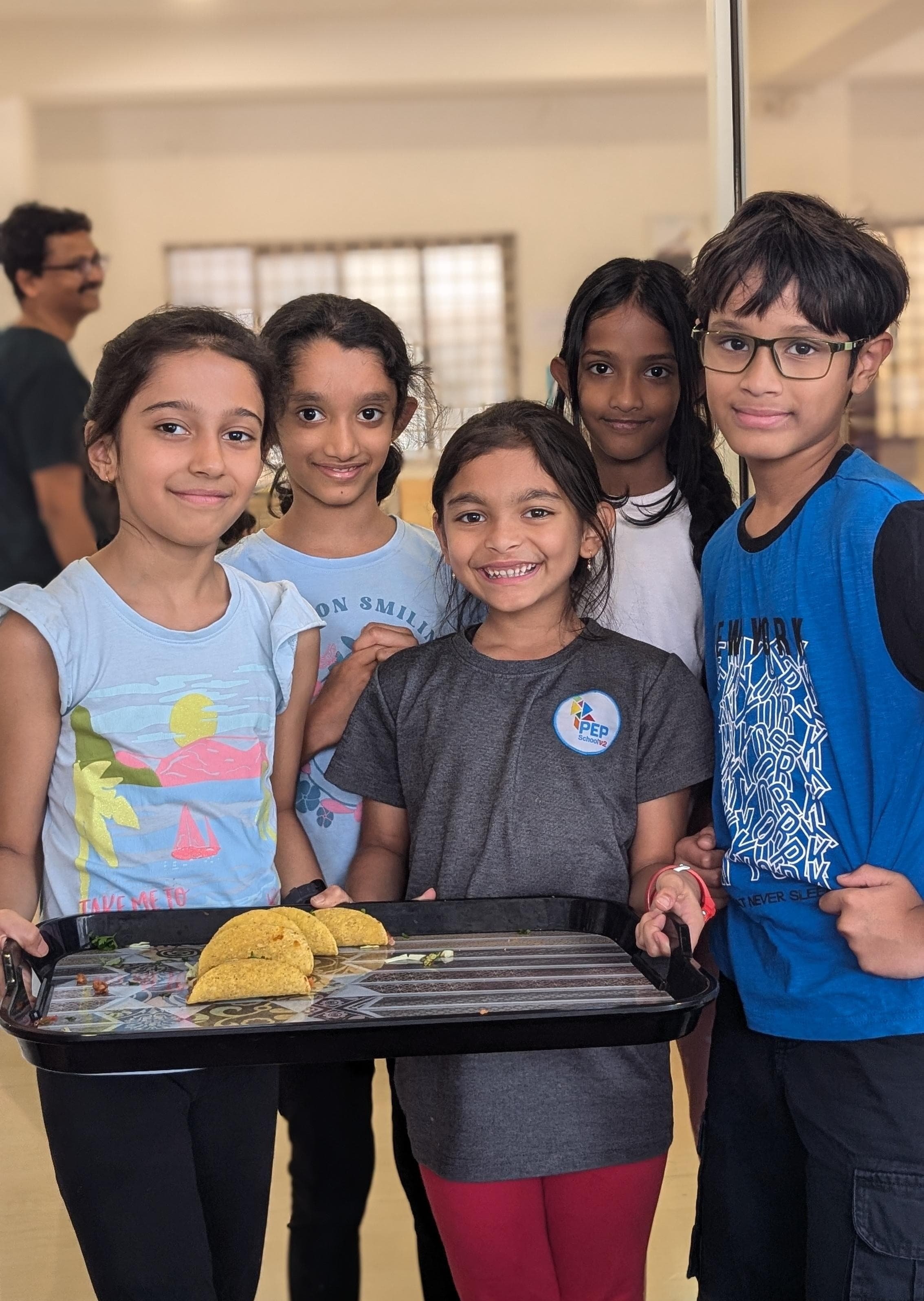
Along with academic learning, we focus on developing important human ideals: a love of learning, self-discipline, respect and community cooperation.
In the elementary program. students share the responsibility of managing their community; they learn to respect and care for themselves, others, and the environment.
The elementary Montessori child is encouraged at all times to take responsibility for his actions. He thereby develops a strong sense of independence, personal awareness and respect for himself and his society.

We Adopt a Personalised Approach
Understand the child’s needs
Montessori understands and respects the intellectual and social needs of the evolving child — the elementary program is designed keeping in mind the current stage of development of the child.
The first plane of development occurs from birth to age six. At this age, children are sensorial explorers with their hands and senses being the pathways towards brain development.
From six to twelve years of age (the “elementary” age), children become conceptual explorers. They develop new powers of abstraction and imagination and apply their knowledge to further discover and expand their world — we leverage this as the backbone of our program.
PERSONALISED LEARNING PATHS
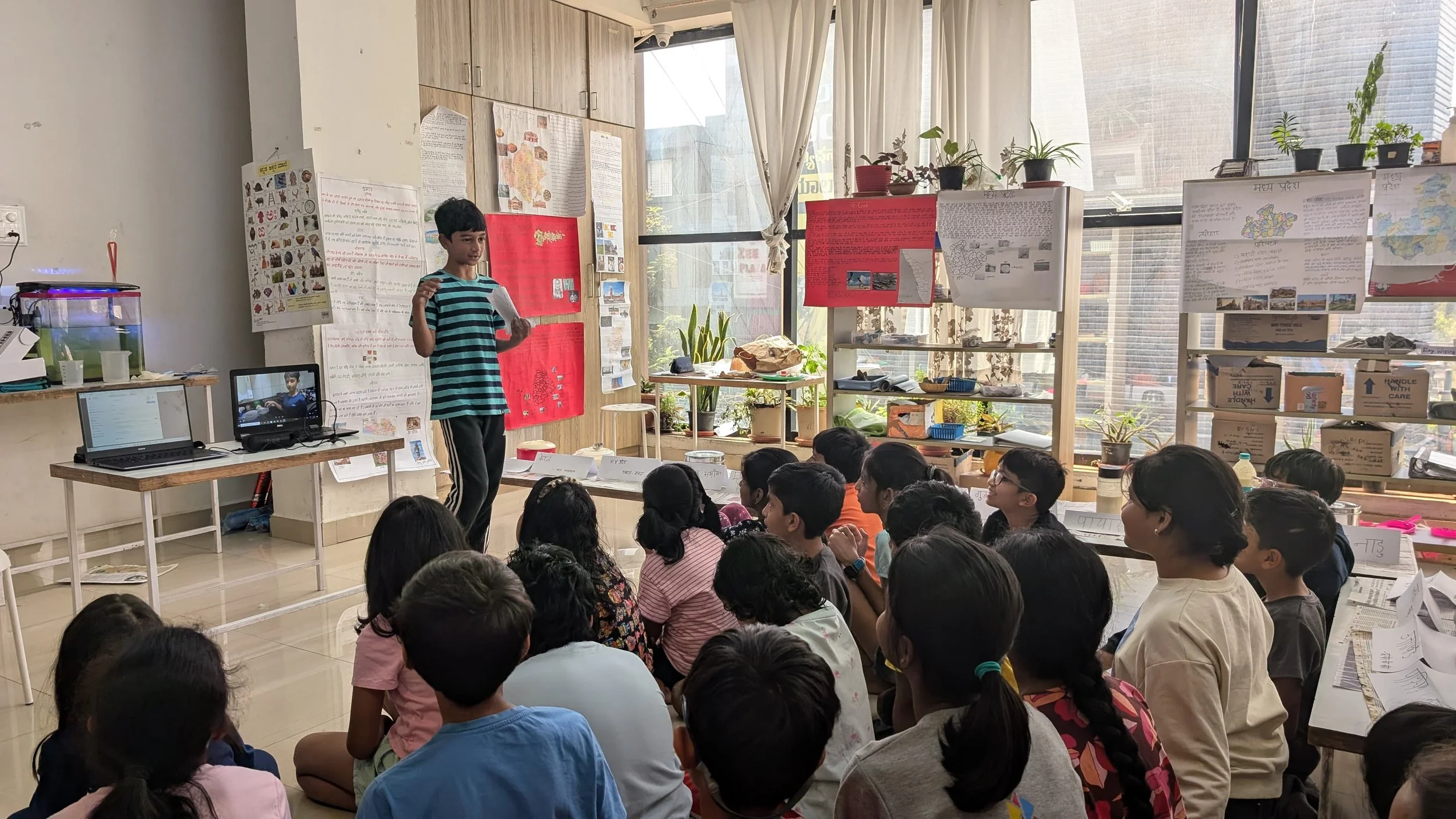
The role of the Montessori educator is to deeply understand each individual child, and design learning paths to help them on their individual journeys.
Montessori educators rarely teach to the whole class. Instead, they give lessons to individual children on small groups based on ability, readiness, and interest. This means that each child is constantly challenged at just the right level. Further, it allows gifted children to speed ahead (rather than being constrained by their current grade), and children who need additional help to be adequately supported.


We Encourage Exploration & Discovery
Joyful Learning*
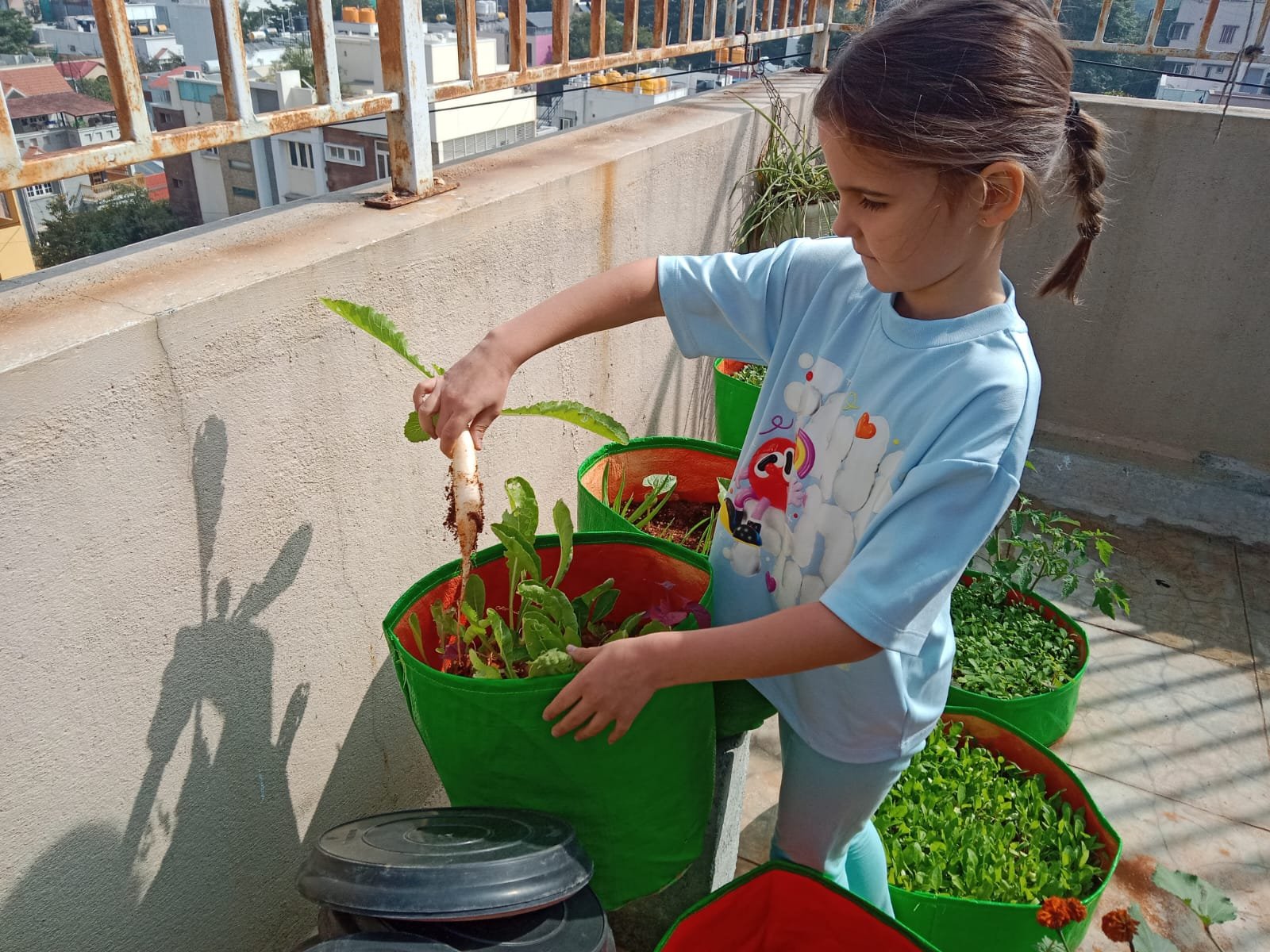
Montessori children learn because they enjoy learning—because they delight in new knowledge, or love mastering new skills, or get motivated by observing older children.
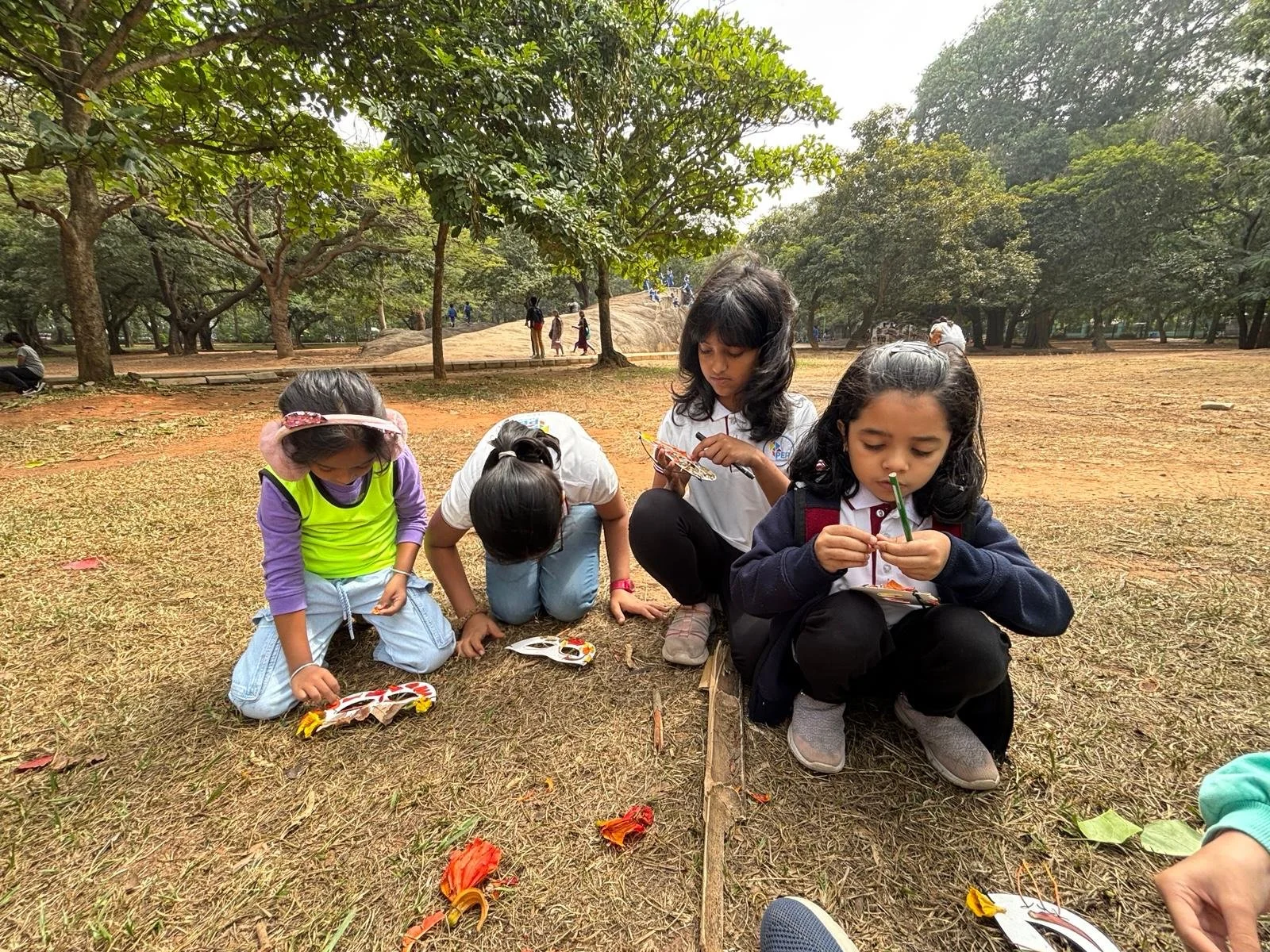
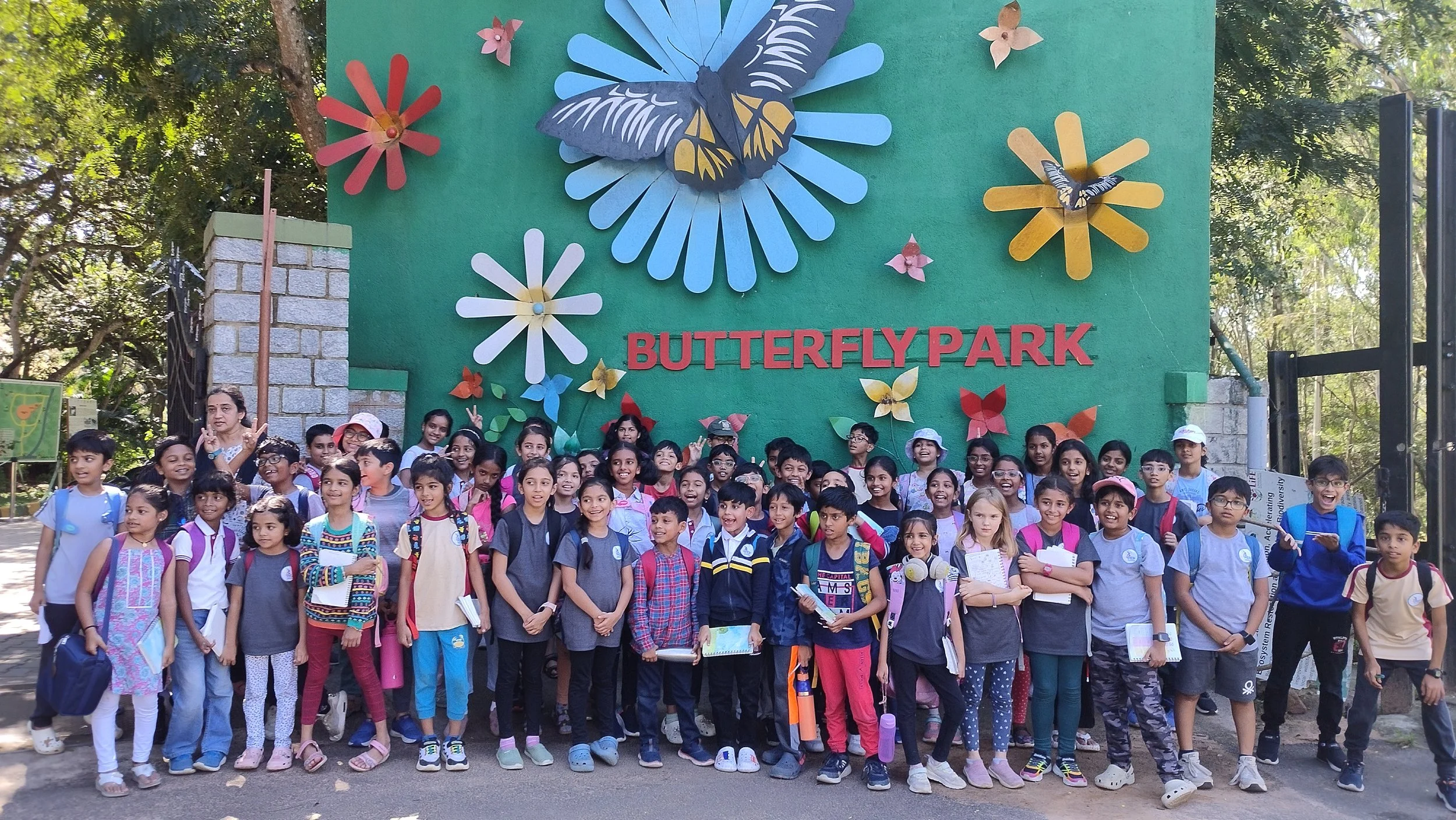
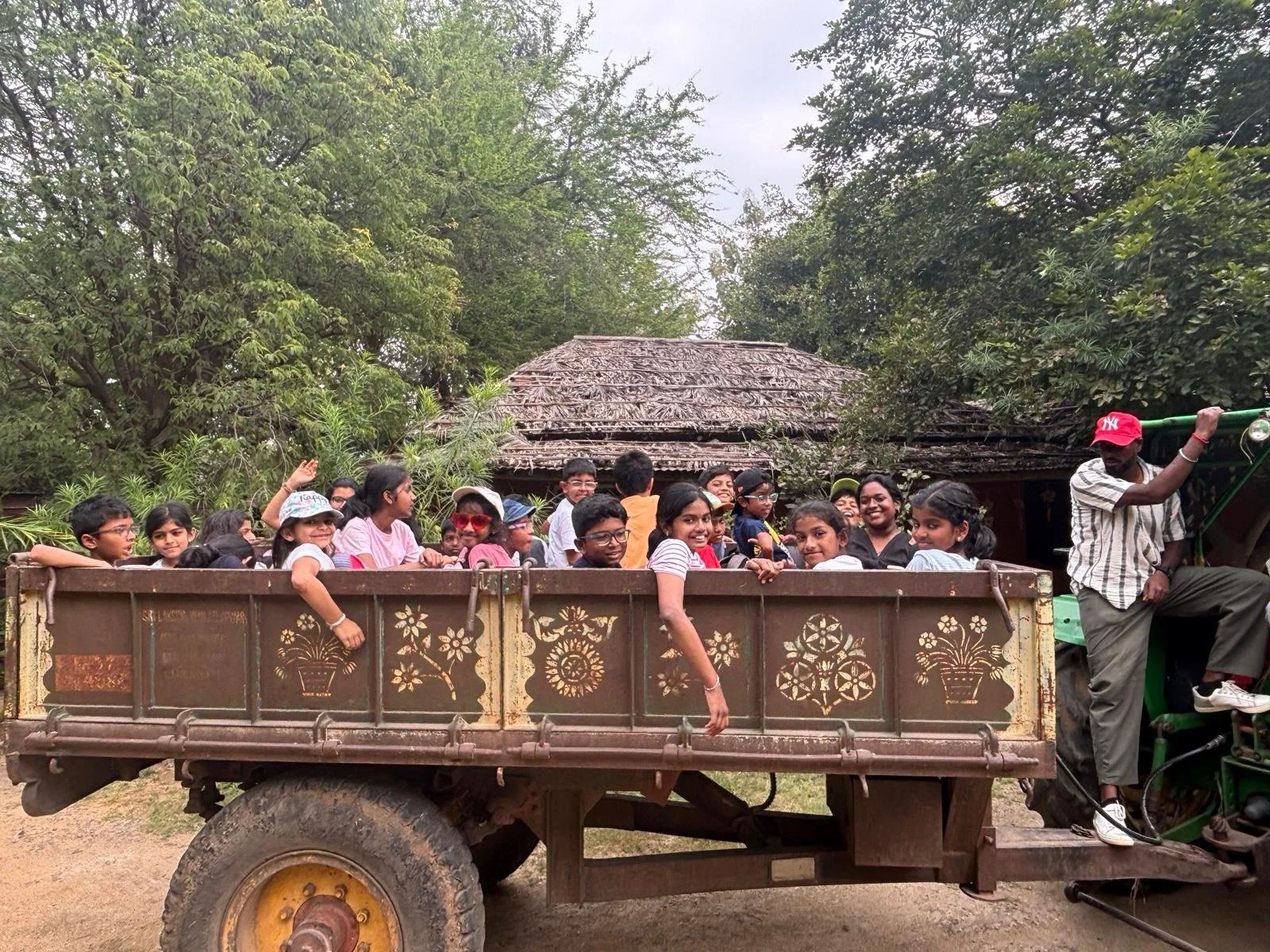
To further support their learning in the Montessori elementary program, enrichment opportunities such as educator-led field trips and child-led “Going Outs” are provided. These are mechanisms that inspire the child to continue their own deeper explorations into areas that fascinate them.
InTEREST-based Research work
In keeping with the needs of this child, The Montessori elementary program facilitates the development of a rigorous questioning and investigative process within the child.
Students learn not only answers to their questions, but also are encouraged to wonder, discover what questions must be asked, think through problems, analyse situations and find answers for themselves. They are equipped with tools (such as a broad range of encyclopaedias and reference books) that help them make their own discoveries and find their own answers.
In essence, this helps empower students to be masters of their own learning.
"Parents usually ask" section
Is Montessori Elementary academically rigorous?
Yes, and structurally so. Lessons happen in classes of six, matched to readiness, so no child hides at the back of a class of forty. Work is assigned with real deadlines, new work is unlocked by completing previous work, and children go deep: research projects, mathematics moving from concrete to abstract, writing, presentations. Rigour here means depth and ownership, not volume of worksheets.
How do you assess without marks and rankings?
We track each child's development closely against benchmarks and communicate qualitatively: what your child has mastered, what they're working on, and what needs attention. We deliberately don't hand children scores and ranks, because the moment the number appears, the learning becomes about the number. You will never be in the dark about your child's progress; we tell you directly, including when something needs work.
How do lessons actually work with "classes of six"?
Children are grouped by readiness for each subject, not just by age, in lessons of about six children per adult. A child significantly ahead in a subject may work individually at their own pace; a child who needs more support gets it in a smaller, targeted way. This is what personalisation actually looks like operationally.
My child is ahead in some areas and behind in others. How do you handle that?
That describes most children, and it's precisely why lessons are grouped by readiness per subject. A child can be in an advanced maths group and a supported writing group simultaneously. Where a child needs help beyond classroom differentiation, we tell you honestly what we can provide and what we can't.
Can my child move to a conventional school later?
Yes, some children do, and in our experience most transitions have been seamless, because children have developed the academic and socio-emotional skills the next school expects: strong conceptual understanding, self-direction, and the ability to work without supervision. We support families through the transition when it's the right move.
My child is joining FROM a conventional school. How do they adjust?
The first weeks are about learning to own their time: choosing work, planning, and discovering that adults here won't constantly instruct them. Most children find their feet within the first term, and educators scaffold the freedom deliberately rather than dropping children into it.
What happens after Elementary?
Children continue into PEP's High School (Grades 6-10), which follows an IGCSE pathway. PEP Schoolv2 is itself an officially registered IGCSE centre. High School currently runs at PEP HSR and ACCEL PEP Whitefield.
More questions? See the full Elementary FAQs, or book a visit and ask us in person.

Enquire about the Elementary Program
Timings
Timings vary by campus and are shared during the admissions conversation.
Daycare and EXTENDED CARE
Available for enrolled students (not offered as a standalone service).
Transport
Select routes via school-operated buses. Our own buses and staff, not outsourced.
Food
Children bring food from home; allergy plans are agreed individually.
Last updated: August 2026.