
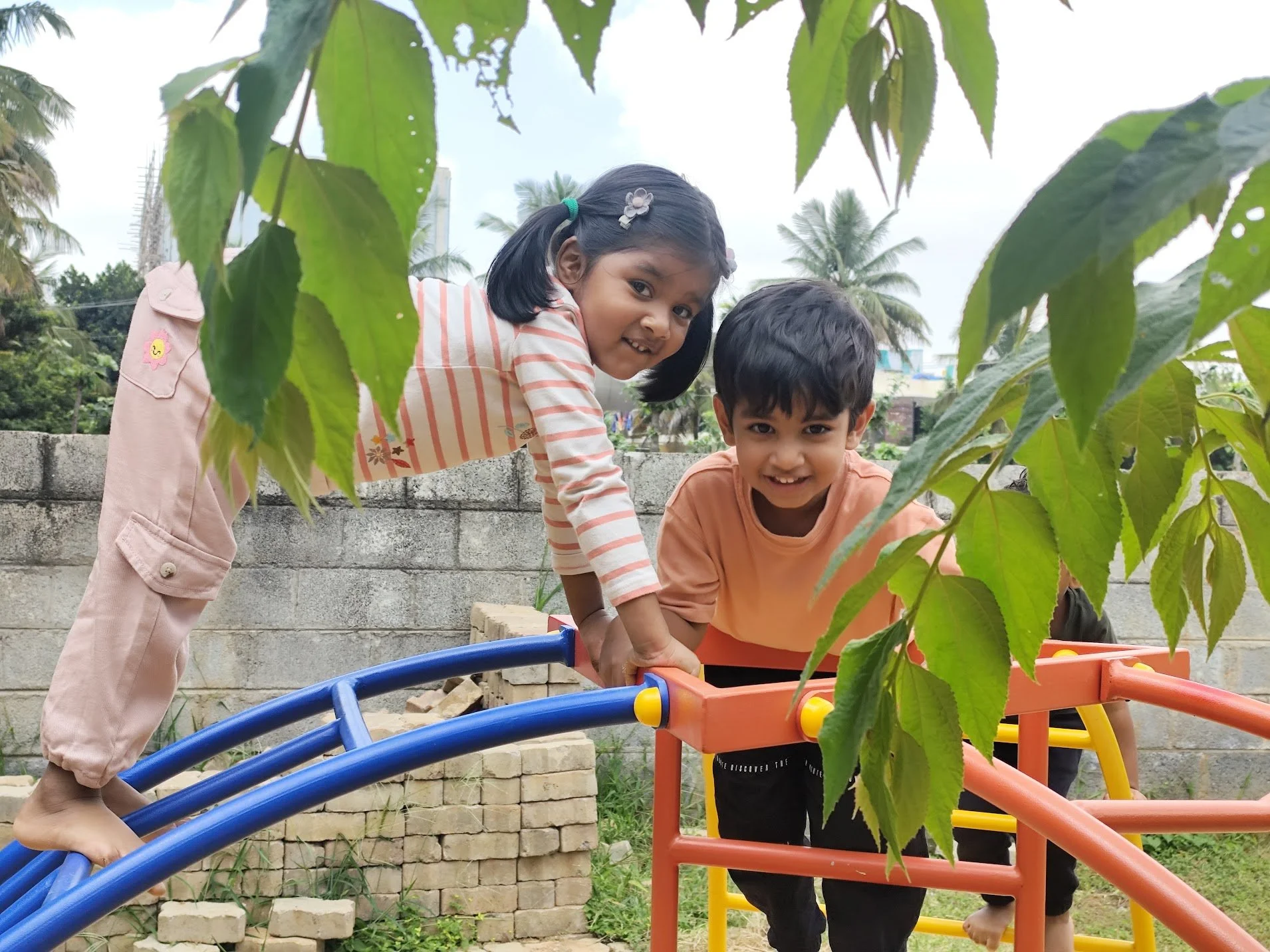
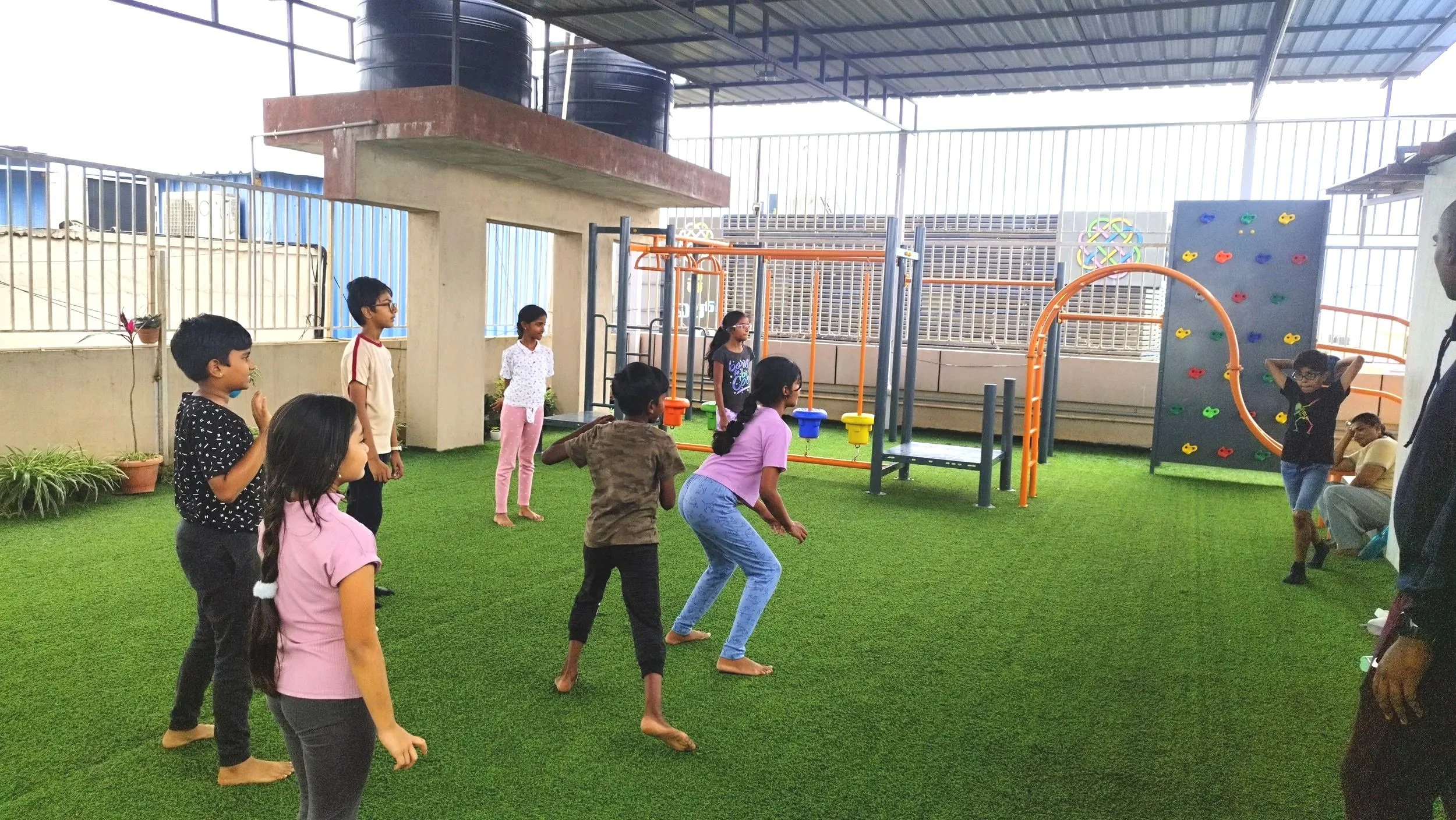
At PEP, movement is for everyone. From the earliest years, children spend a couple of hours each week exploring what their bodies can do through play, coordination exercises, structured sports, and creative movement. The aim is not elite performance but something more fundamental: gross motor development, physical confidence, and the pleasure of moving well.
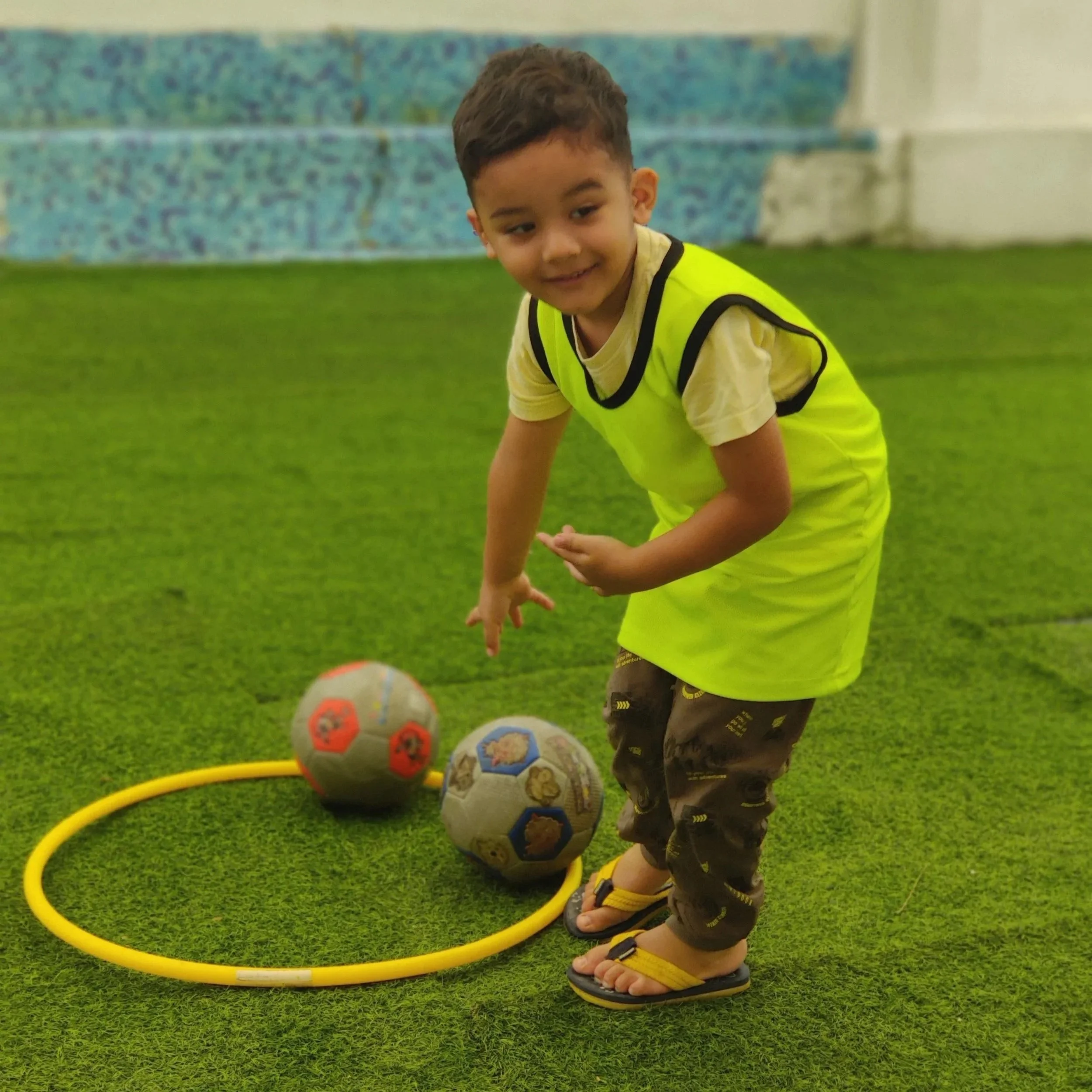
We are a neighbourhood school, close to families, yet we never want children to miss experiences simply because our spaces are smaller than large campuses. From the outset, we designed a program that offers the same opportunities, delivered with intention and care.
In the Montessori tradition, physical and cognitive development are inseparable. A child who moves with confidence approaches new challenges with confidence. The independence they build in movement carries into their academic work. For our youngest children, movement is about discovering what their bodies can do. They climb, balance, run, and jump, developing the fundamental coordination that supports all later learning. A child who walks a balance beam is also building concentration and spatial awareness. One who throws and catches is developing hand-eye coordination that later supports writing and fine motor work. Teachers introduce cooperative games, balance activities, and playful movement that feels natural and joyful. The goal is to help children experience their bodies as capable and full of possibility.
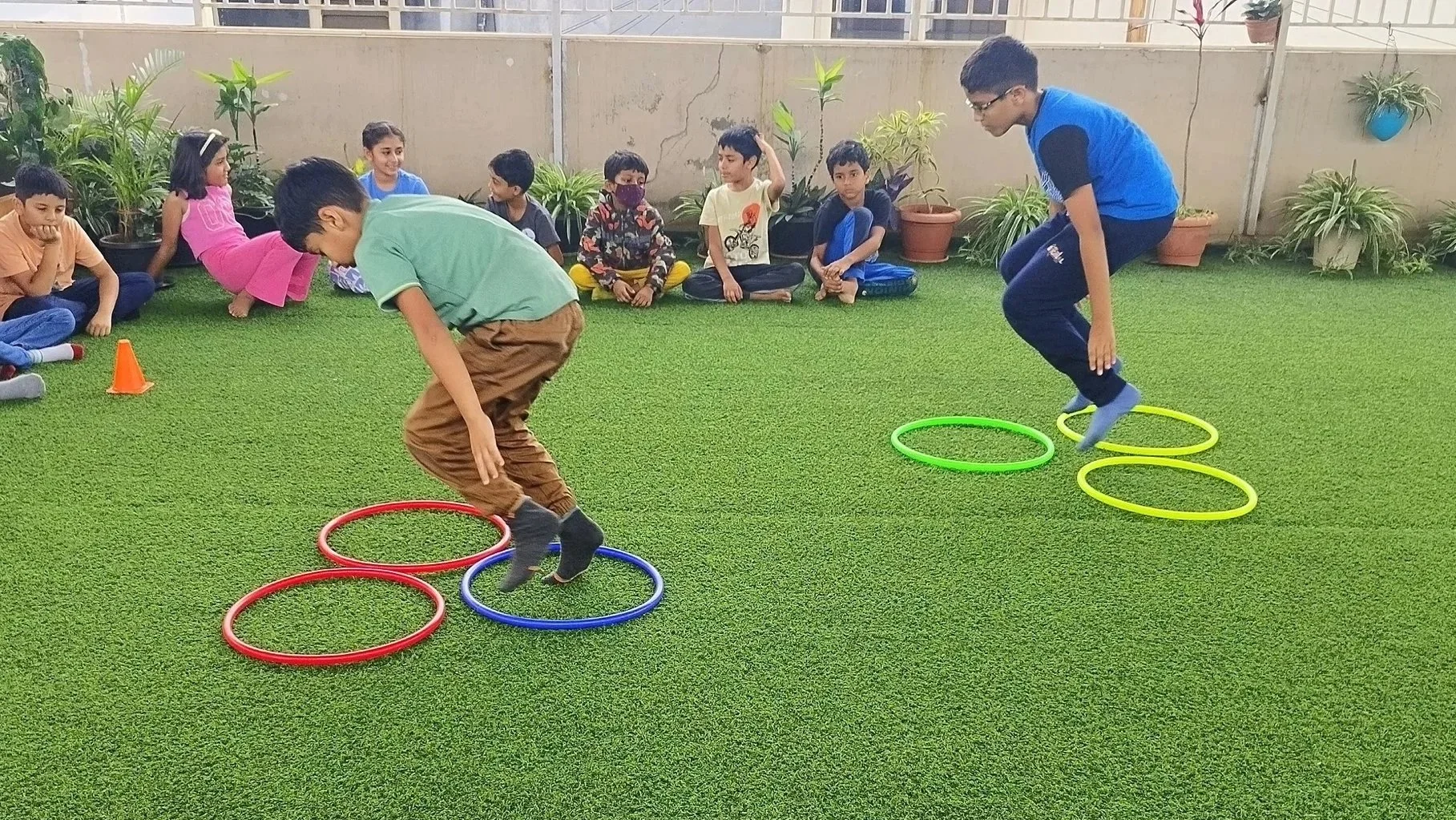
As children grow into the elementary years, the program evolves. Specialists, including coaches with expertise in their disciplines, begin working with students. Training becomes more structured, whether through team sports like football or dodgeball, individual disciplines like gymnastics, or creative movement and dance.
What are we aiming for?
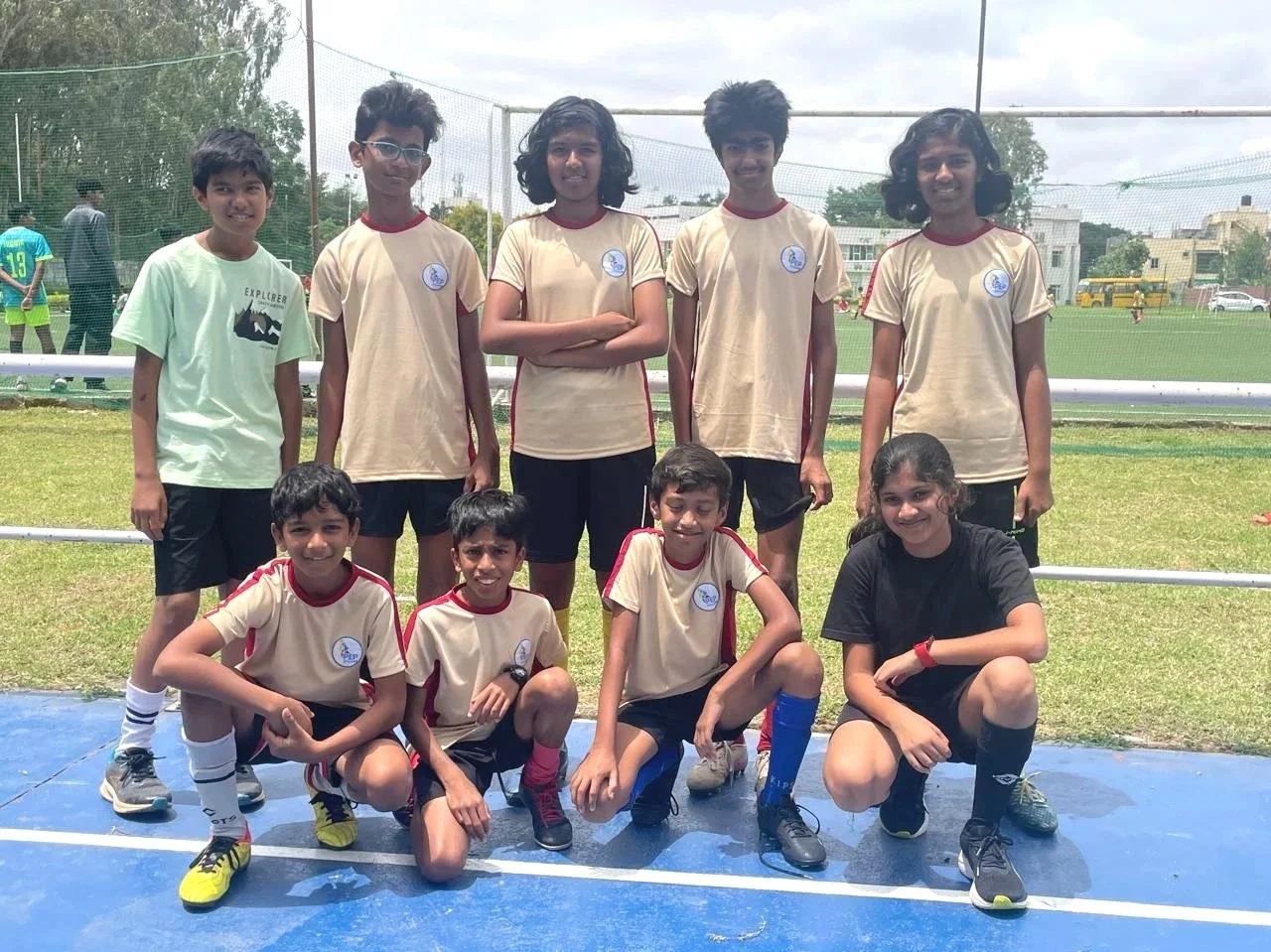
We are not trying to produce star athletes. We create sustained exposure to movement so children can discover what excites them. Along the way, we notice strengths: speed, stamina, flexibility, control, rhythm, and expression. When a child shows unusual promise, we share those observations with parents.
“Some families pursue specialised
training, and PEP students have gone
on to represent their state in football
and win national gymnastics medals. These achievements begin with simple exposure and encouragement.”
What do children actually learn?
Beyond physical skills, sports and movement teach grace and courtesy. After a hard, competitive game, it's heartening to watch students line up to shake hands: one team congratulating the other, regardless of the score. When a child struggles with a difficult gymnastics manoeuvre, putting in effort again and again, peers gather around offering encouragement and applause when they finally succeed. These moments of emotional support and genuine celebration matter deeply. For older students, we also offer dance and creative movement, giving them another language for self-expression. Many use these skills to perform on stage, discovering confidence in front of an audience and the satisfaction of presenting work they have practised and refined.
On the field or in the gym, we see quieter transformations as well. The child who hesitates in group discussions may find their voice cheering for teammates. The one who struggles to sit still may discover focus while mastering a new skill. When energy tips into over-competitiveness, coaches step in gently to help children self-regulate and remind students that winning and losing are both natural outcomes. The essence of sport, we tell them, lies not in the score but in effort, growth, and connection.
What stands out most?
It's how children lift each other up: sharing strategies, offering encouragement, cheering teammates through tough moments. These acts of sportsmanship reveal something deeper than skill: they reveal character. We also notice how movement supports children's work in the classroom. The child who learns to persist through a difficult gymnastics skill carries that persistence to challenging math problems. The one who learns to coordinate with teammates on the field brings those collaboration skills to group projects. Physical confidence builds emotional confidence, and both support academic risk-taking. When teachers see a previously hesitant child return from sports with shoulders a little higher and voice a little stronger, we see the whole child developing, not in separate domains, but as one integrated learner. By the end of a tournament, our children may not always lift trophies. But they discover courage, friendship, and the joy of being part of something larger than themselves. And that, we believe, is what movement at its best should offer: not a path to fame, but a foundation for life.